Vastu guide: where to place each deity in your home
Vastu Expert
Editorial Team
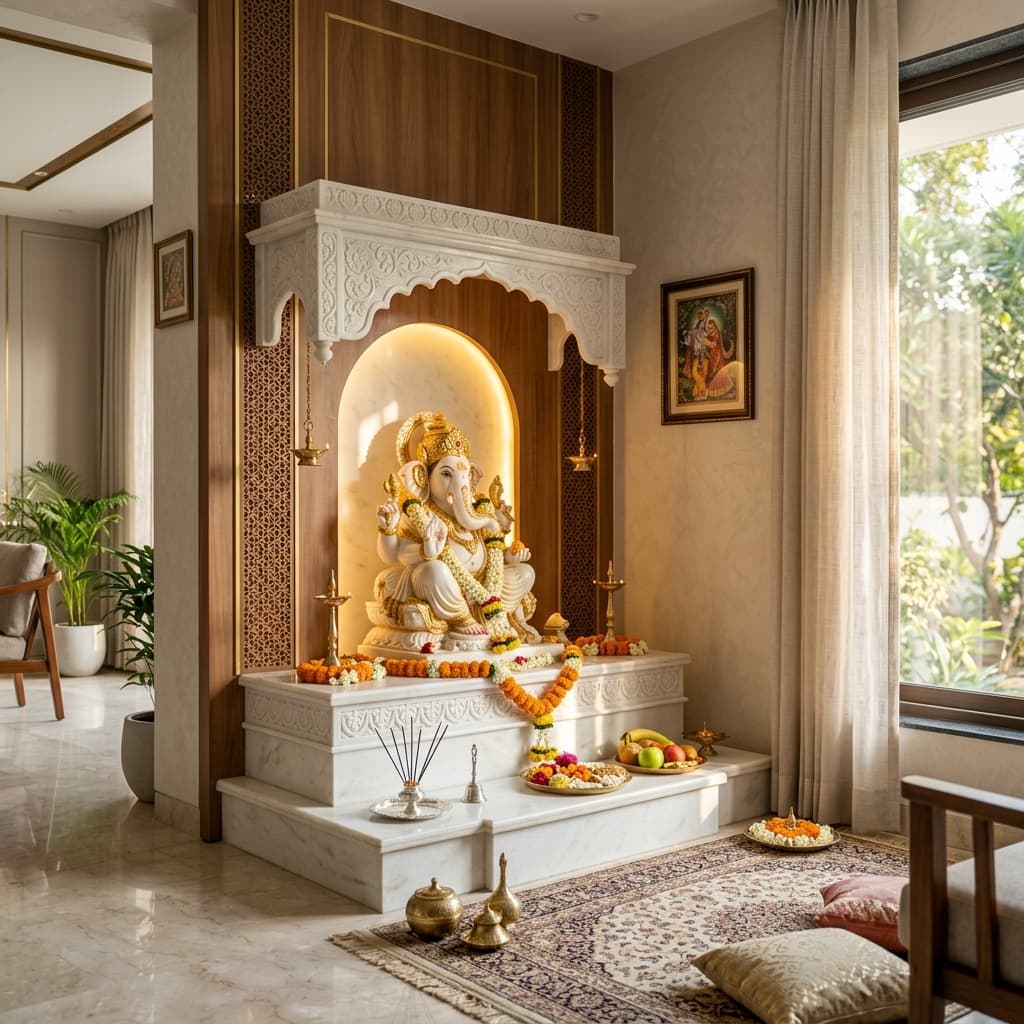
Aligning with the Divine: The Science of Vastu Placement
In Hindu tradition, a home is more than just a shelter; it is a sacred space where the divine resides alongside the family. Vastu Shastra, the ancient Indian science of architecture, provides specific guidelines on where and how to place deities to ensure that your home remains a sanctuary of peace, prosperity, and positive energy.
The Sacred Corner: Ishan Kone (Northeast)
The most auspicious direction for a mandir or a prayer room is the Northeast (Ishan Kone). This direction is associated with the element of Water and is believed to be where the highest spiritual energies enter the home.
Deity-Specific Placements
1. Lord Ganesha
Ganesha should ideally be placed in the Northeast corner. However, if that's not possible, North or East are also acceptable. Ensure that his trunk is turned towards his left, which symbolizes peace and prosperity for households.
2. Goddess Lakshmi & Lord Ganesha
When placing Lakshmi and Ganesha together, Lakshmi should always be placed to the right of Ganesha. This is because, in Indian tradition, the wife or the provider of prosperity (Lakshmi) sits to the right of the master of wisdom (Ganesha).
3. Lord Shiva
Shiva, in the form of a Lingam or a murti, should be placed in the North. Since Shiva resides in Kailash (the North), this alignment is considered naturally harmonious.
4. Lord Hanuman
Hanuman Ji is the protector of the home. His idol or picture is best placed in the South or Southwest direction, facing North. This is believed to ward off evil energies and bring strength to the family.
Key Vastu Dos and Don'ts
- Facing Direction: While praying, the devotee should ideally face East or North. Therefore, the murtis should face West or South.
- Height: The base of the mandir should be at the chest level of the person praying. Never place deities directly on the floor.
- Avoid Walls: There should be a small gap between the murti and the wall behind it to allow energy to circulate.
- Bedrooms & Bathrooms: Never place a mandir inside a bedroom or against a bathroom wall. If space is limited, use a curtain to cover the mandir when not in use.
Conclusion
While Vastu provides a powerful framework, the most important "placement" for any deity is in your heart. A clean, well-lit, and devoted space will always attract divine blessings, regardless of the architectural constraints.